Sakura Hyakka
A wildflower honey that begins
with the spring cherry blossom.
Gentle and floral,
with a lingering finish.


- 100g ¥1,500
- 180g ¥2,400
- 600g ¥6,000
A clear, translucent amber —
and the quiet beauty of honey as it crystallizes
and changes form once more.
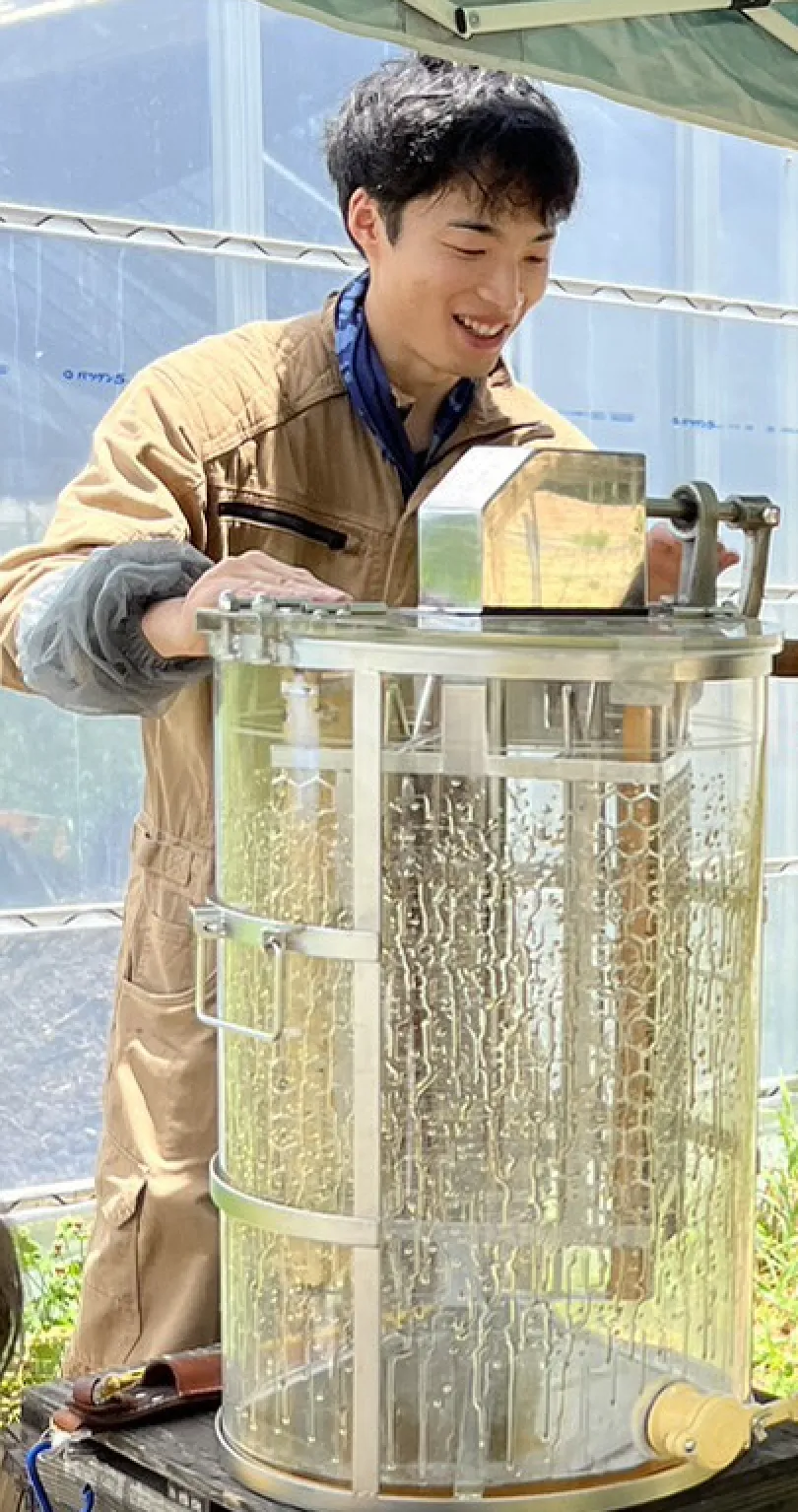
Back in my student days, it captured my heart.
Beekeeping is steady work that continues
through every season of the year.
The moment of harvest is but an instant in it all.
We hope you can taste a small "reward" for those days.
That wish is where this brand began.
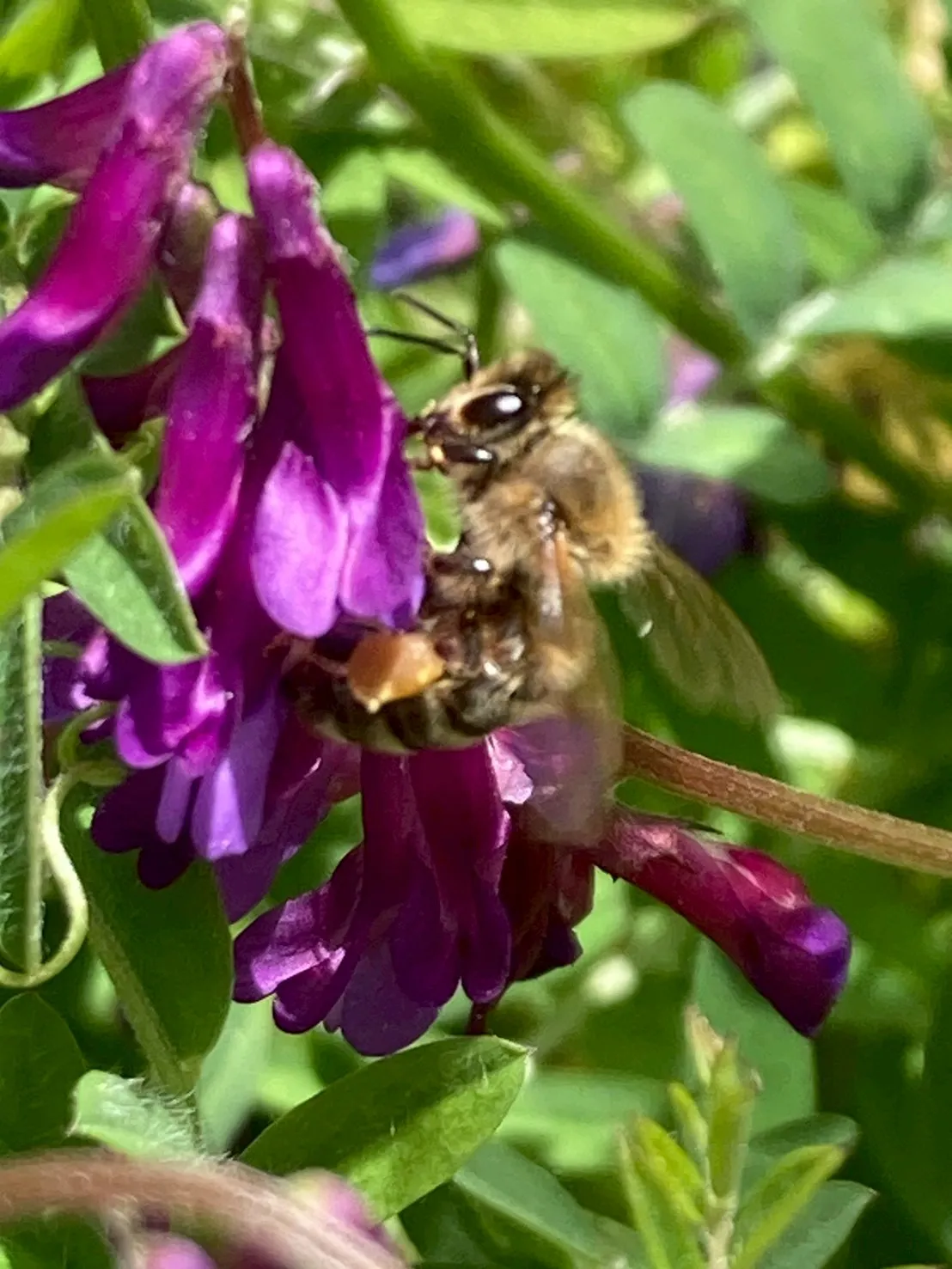
Most beekeepers harvest many times through the season.
We harvest just 4–5 times, centered on spring at its finest.
We never take more than we should,
so the bees can live at their own pace.
We take only the honey they have slowly ripened.
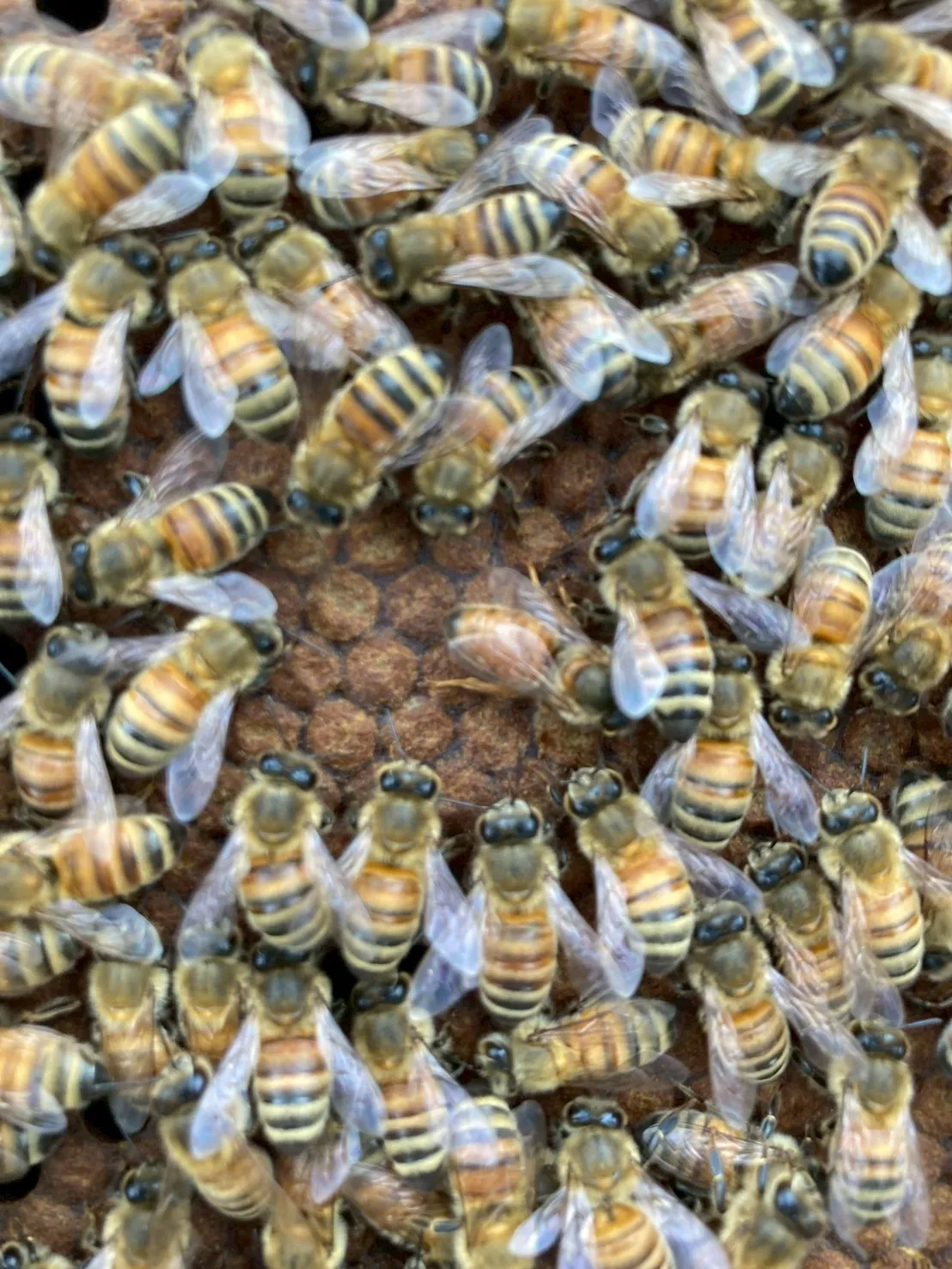
When the honey is fully ripe,
the bees seal the comb with wax "caps."
That is their sign of completion.
Until the moisture is gone and the aroma concentrates,
we simply wait, without haste.
That single patience gives the honey
its rich, layered depth of flavor.
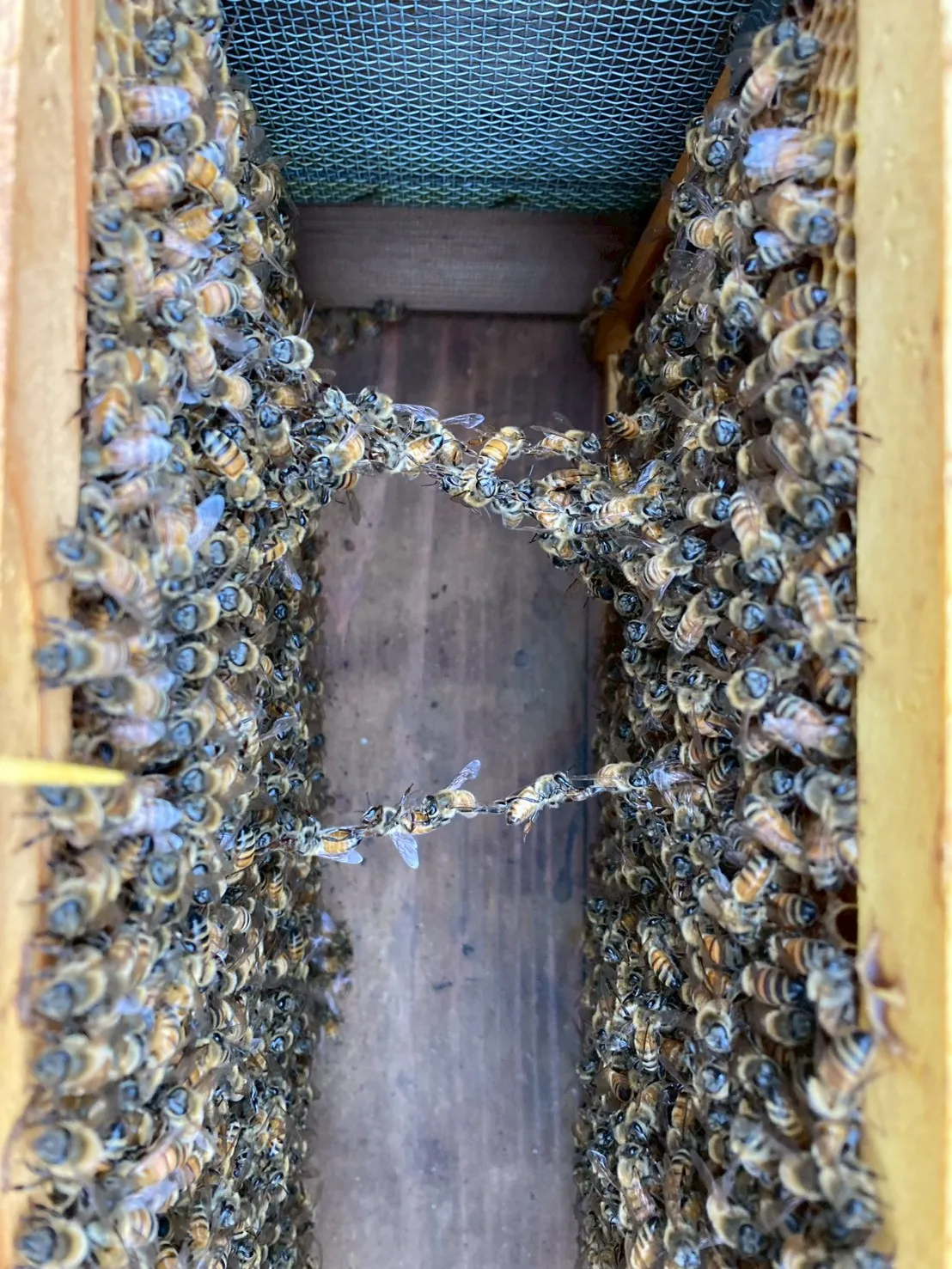
We use a board that worker bees can pass,
but the queen cannot.
The lower level is the queen's nursery; the upper, for honey alone.
We take only pure honey, with no eggs or larvae mixed in.
The yield grows smaller — but the taste, all the more clear.
These are words passed down from my master,
while I trained at a long-established apiary in Mie.
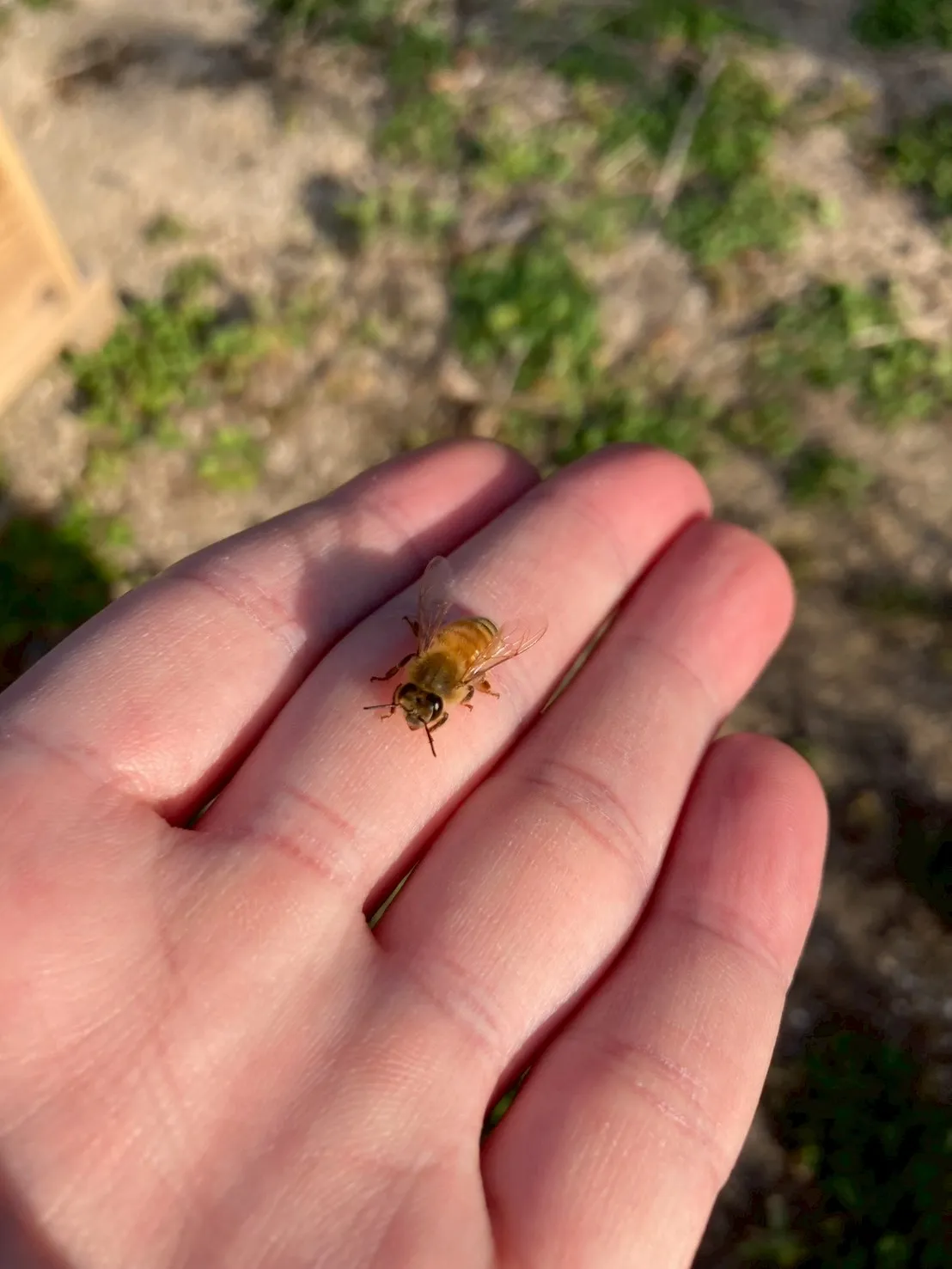
I tend each bee so closely I can tell the queens apart by their faces.
We leave the bees their share, and take only our own.
That is the distance at which we live alongside them, day by day.
From Uenohara in Yamanashi — its cherry-lined streets, clear rivers and deep forests.
Three honeys, born from the nectar this land brings forth.
A wildflower honey that begins
with the spring cherry blossom.
Gentle and floral,
with a lingering finish.
A clear, translucent amber
with a refined, clean sweetness.
A favorite, often called
the queen of honeys.


A deep amber with a fruity,
muscat-like character.
A rare honey, gathered
only in tiny amounts.


A town on the border where Yamanashi, Tokyo and Kanagawa meet.
In spring, rows of cherry trees come into bloom;
sweetfish swim in the clear Katsura River,
and deep forests spread all around.
With little large-scale farming and few agricultural chemicals,
the bees gather nectar freely here.
It is a gentle home for them.
Those are air bubbles that entered during harvesting and bottling. They do not affect the quality at all, so please enjoy with confidence. The bubbles gradually settle over time.
Yes. This is "crystallization," a natural phenomenon unique to honey. It does not mean the quality has deteriorated, so please enjoy it as it is. To return it to its original state, warm it gently in a water bath no hotter than 50°C. Take care to avoid high heat, as it can damage the honey's nutrients and aroma.
No — never give honey to an infant under one year of age. Natural honey may, in rare cases, contain spores of the botulinum bacterium. In infants, whose intestinal environment is not yet developed, this can cause infant botulism.
Please store it at room temperature. Keep it out of direct sunlight, in a cool, dark place with little change in temperature (a pantry or kitchen drawer is ideal). Refrigeration makes the honey more likely to crystallize and turn white.
Our honey is delivered just as the bees gathered it, so the color, aroma and flavor can vary slightly depending on the season, the place, and that year's weather. We hope you'll enjoy these differences as the one-of-a-kind character of a natural gift.
Yes. Our honey is unheated. We bottle the honey the bees have slowly ripened in the hive, filtering only to remove impurities. By avoiding heat, we protect the honey's natural aroma and flavor. (Because "raw honey" has no clear legal or industry definition, we describe ours as "unheated.")
We're sorry, but we don't currently offer gift wrapping or noshi.